Norn
Norn is drawn from the Norns of Norse tradition, figures said to shape fate and the future.

About Nornoet
You do not add intelligence with one feature. You build it by connecting reliable data, clear meaning, useful systems, human judgment, and AI.
Reliable data gives people something solid to work from. Organized information explains what the data means. Connected systems bring that meaning into daily work. AI becomes more useful when these parts support one another.
Intelligence is bigger than AI.
It means knowing what your organization knows, finding it when you need it, and using it to decide what happens next.
Nornoet joins two ideas: understanding what is here and shaping what comes next.
Norn is drawn from the Norns of Norse tradition, figures said to shape fate and the future.
Noet draws from the noetic tradition and the Greek word nous: mind, intellect, and understanding.
Together, they form the question behind our work:
How can an organization use what it knows today to make better decisions tomorrow?
The first problem may be a migration, scattered files, disconnected systems, or an AI project.
The deeper question is usually the same: Is the information organized well enough to support the work?
Technology changes. The need for sound architecture does not.
Nornoet starts with the work, not the tool.
We do not begin by choosing a platform, dashboard, or AI product.
We begin with a simpler question: What do people need to do?
Then we examine what information exists, where it lives, how it moves, where meaning gets lost, and which decisions matter.
Only then do we build the structure around the work.
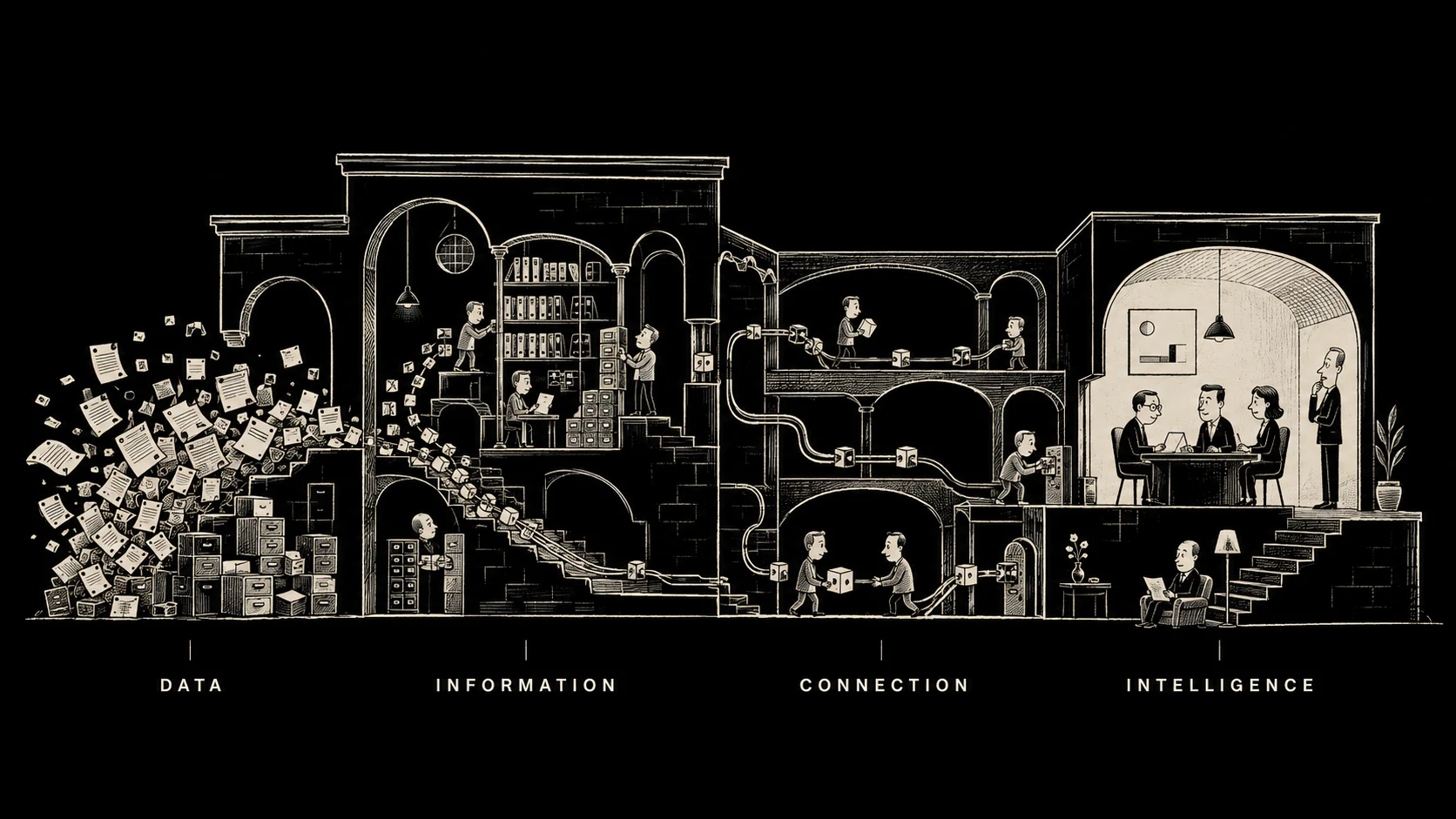
Facts, records, and files. Often scattered.
Data organized so people understand what it means.
Information reaching the systems and people that need it.
People using what the organization knows to make better decisions.
These are not four products to buy. They are four steps in making knowledge useful.
Each step adds meaning, connection, or the ability to act.
AI cannot make disorganized information reliable by itself.
Automation can make a broken process faster. It cannot make the process good.
A polished screen can hide bad data. It cannot make the data trustworthy.
Technology earns its place when it makes real work better. Otherwise, it becomes one more thing people must feed, fix, and work around.
We design around how people, information, systems, and judgment work together.
Some complexity is unavoidable.
Confusion usually is not.
That may mean organizing information, improving data, connecting systems, redesigning a workflow, or giving AI a clear job.
The goal is not more technology.
It is clear information, reliable systems, and intelligence people can use.Data, information, and AI are often treated as separate projects.
We treat them as parts of one connected system.
A migration is not successful merely because the records arrived. The data must still be correct, connected, and useful.
Search is not enough.
People must understand what information means, where it belongs, and whether they can trust it.
Access is not integration.
AI needs a clear job, useful context, permission to reach only what it needs, and rules for when a person must decide.
Good architecture preserves context, shows relationships, sets boundaries, and remains understandable after launch.
Nornoet studies how AI systems can preserve useful context, improve through controlled testing, recover from failure, and remain accountable to human authority.
The research informs the architecture.
It does not become a promise to a client until it can be tested, explained, and maintained in practice.
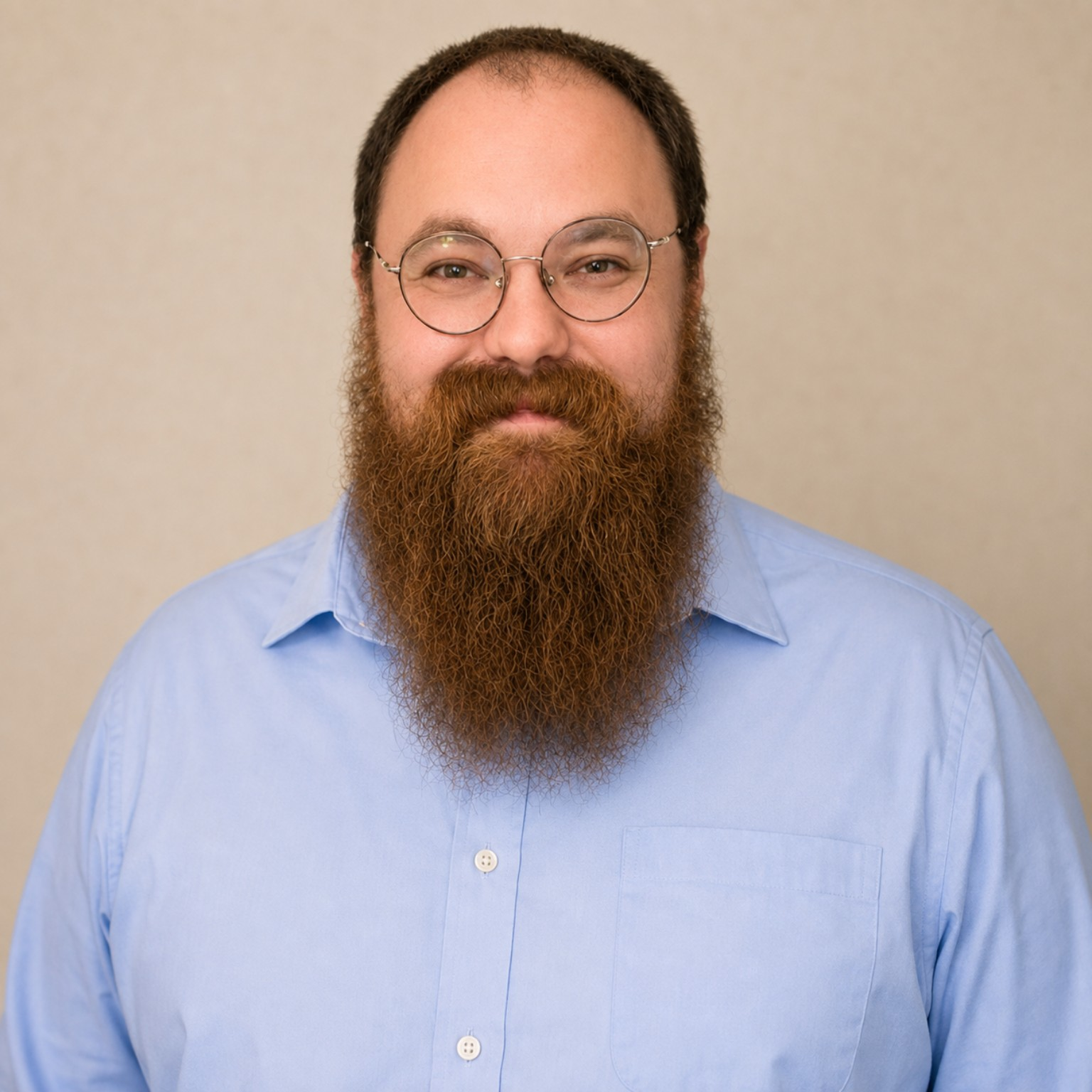
Kevin Monceaux founded Nornoet after years of designing enterprise data systems, leading complex migrations, organizing information, and putting AI to work.
Clients asked for migrations, integrations, workflows, and new tools. The request changed. The deeper problem often did not.
Information was scattered. Rules were inconsistent. Systems did not speak to one another. Work had grown without a clear design.
Nornoet grew from seeing that pattern again and again.
Kevin combines technical architecture with close attention to how people work and make decisions.
He remains involved from strategy through implementation. This keeps each decision connected to the people and systems that must live with the result.
Free scoping
A short scoping conversation can show what works, what gets in the way, and what deserves attention first.