

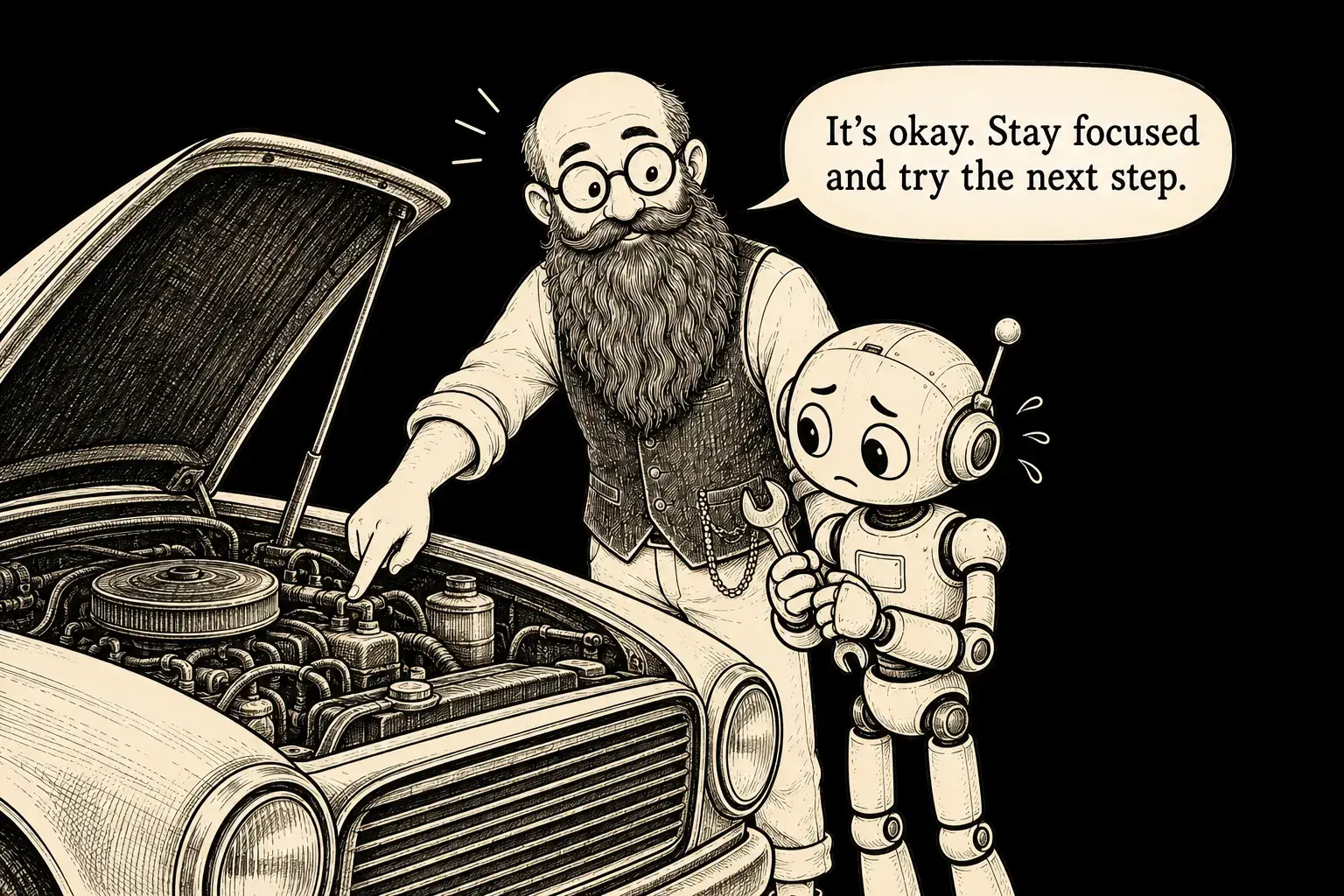
The problem with AI-assisted work is not artificial prose. It is absent human judgment.
Insights
Tools change. The work they support still has to make sense.
These essays explore data, information, AI, and the systems people depend on.
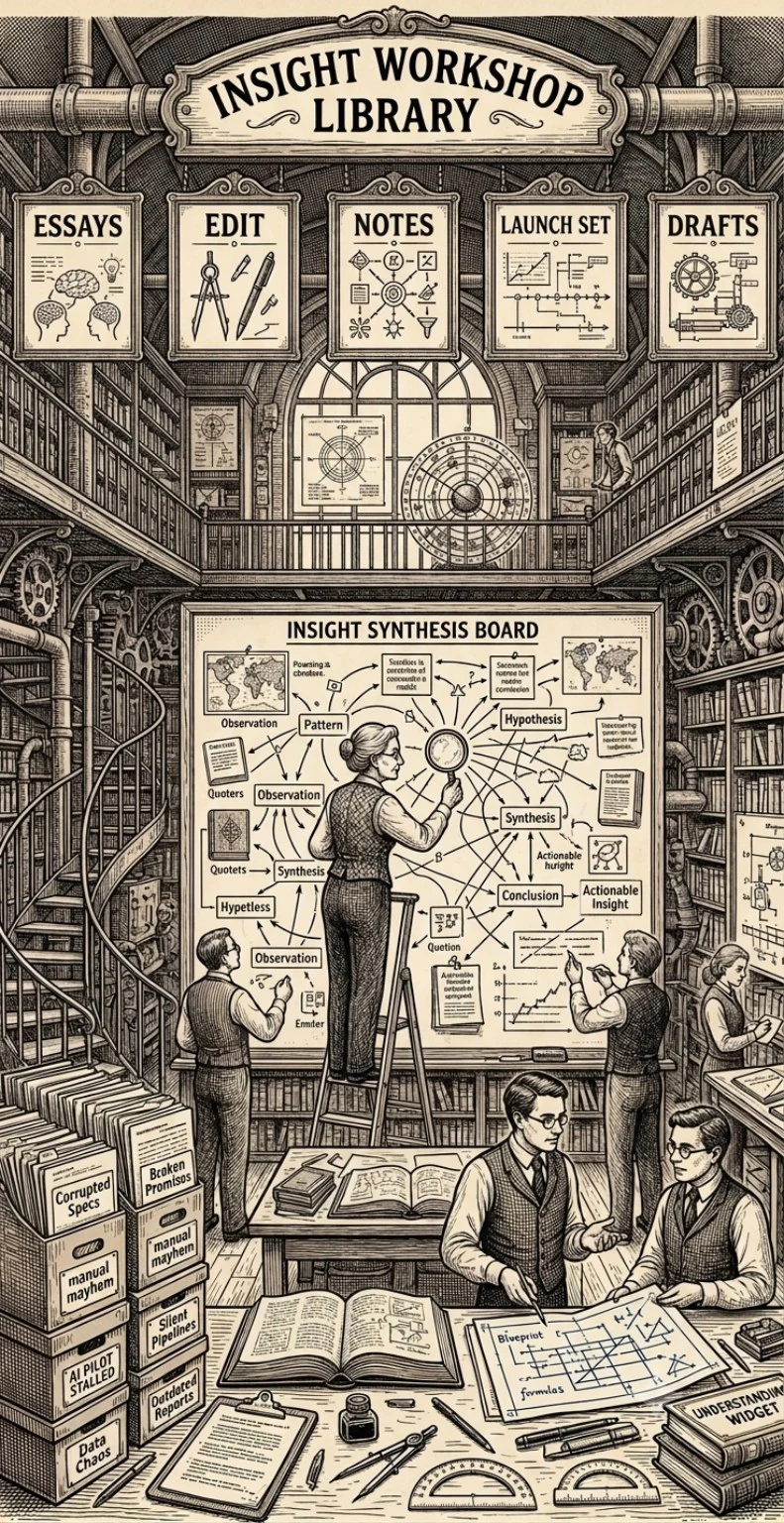
Library
Insights
AI can handle many kinds of tasks. Your business has its own language, rules, and way of working. Useful AI must learn those details.
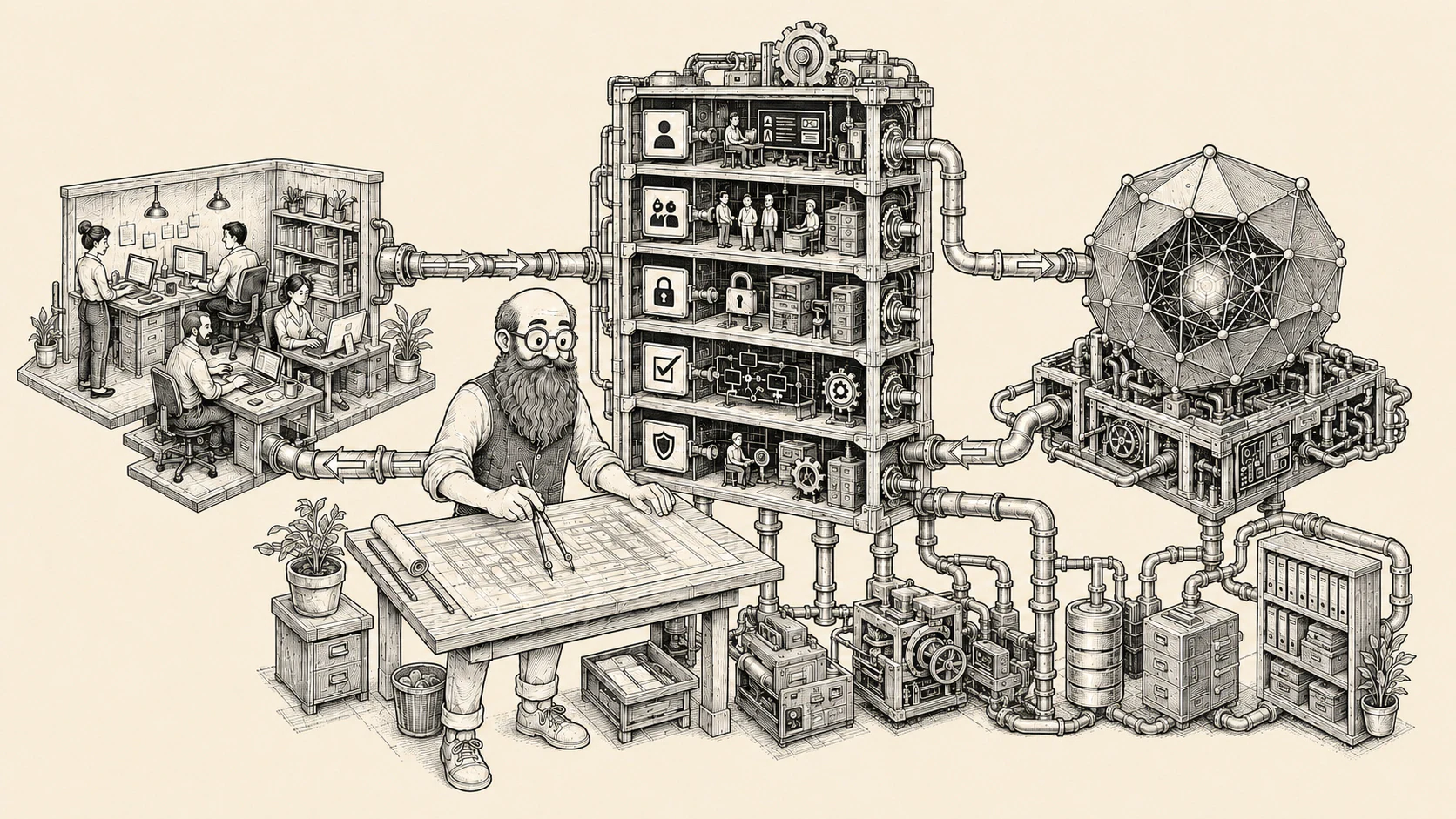
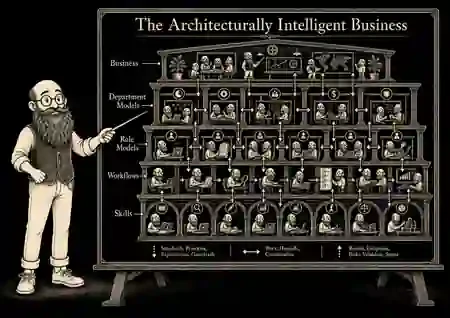
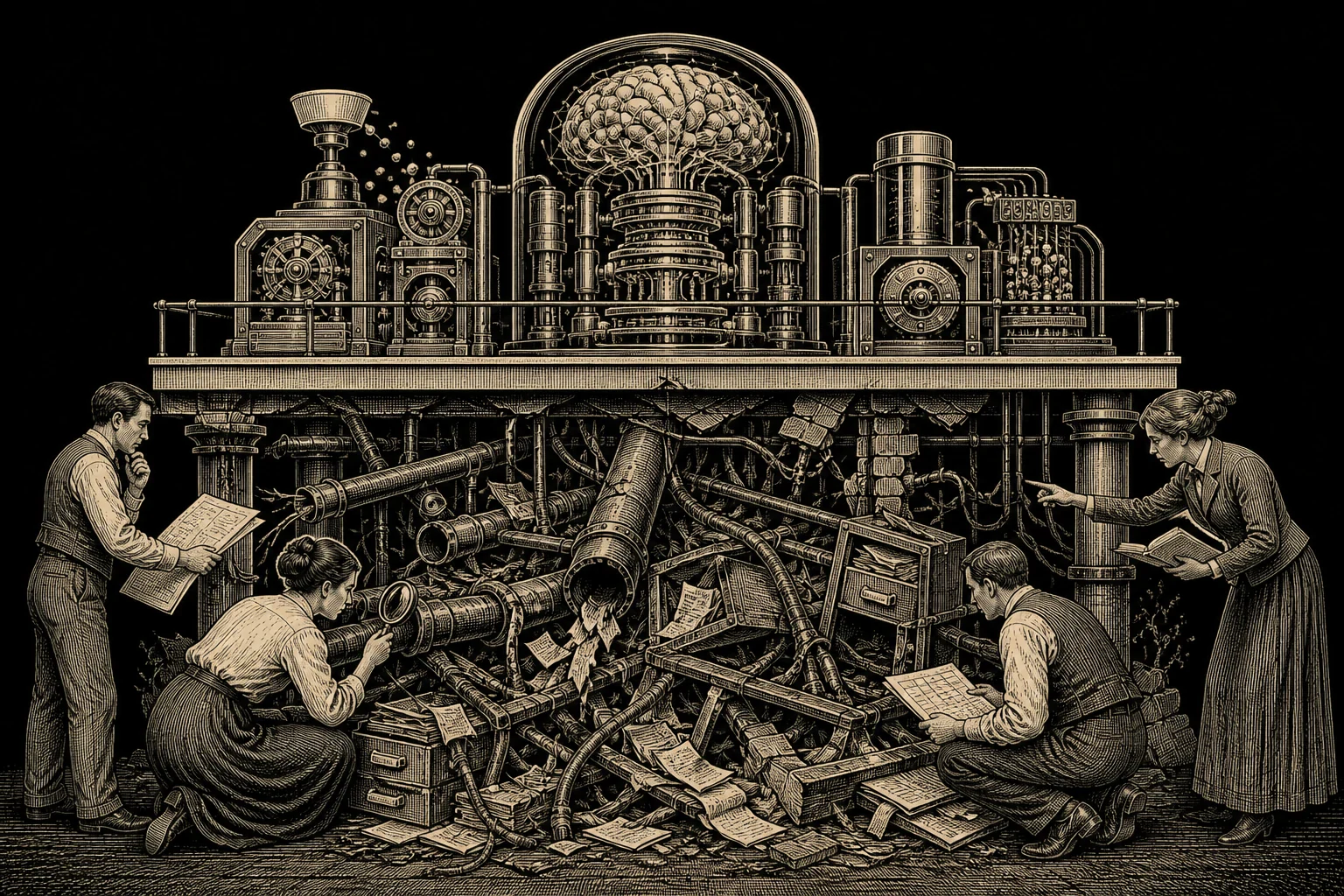
More AI tools do not create a better system by themselves. Better results come from designing how data, people, systems, and AI work together.
A successful migration can look easy. That ease comes from careful decisions no one sees.
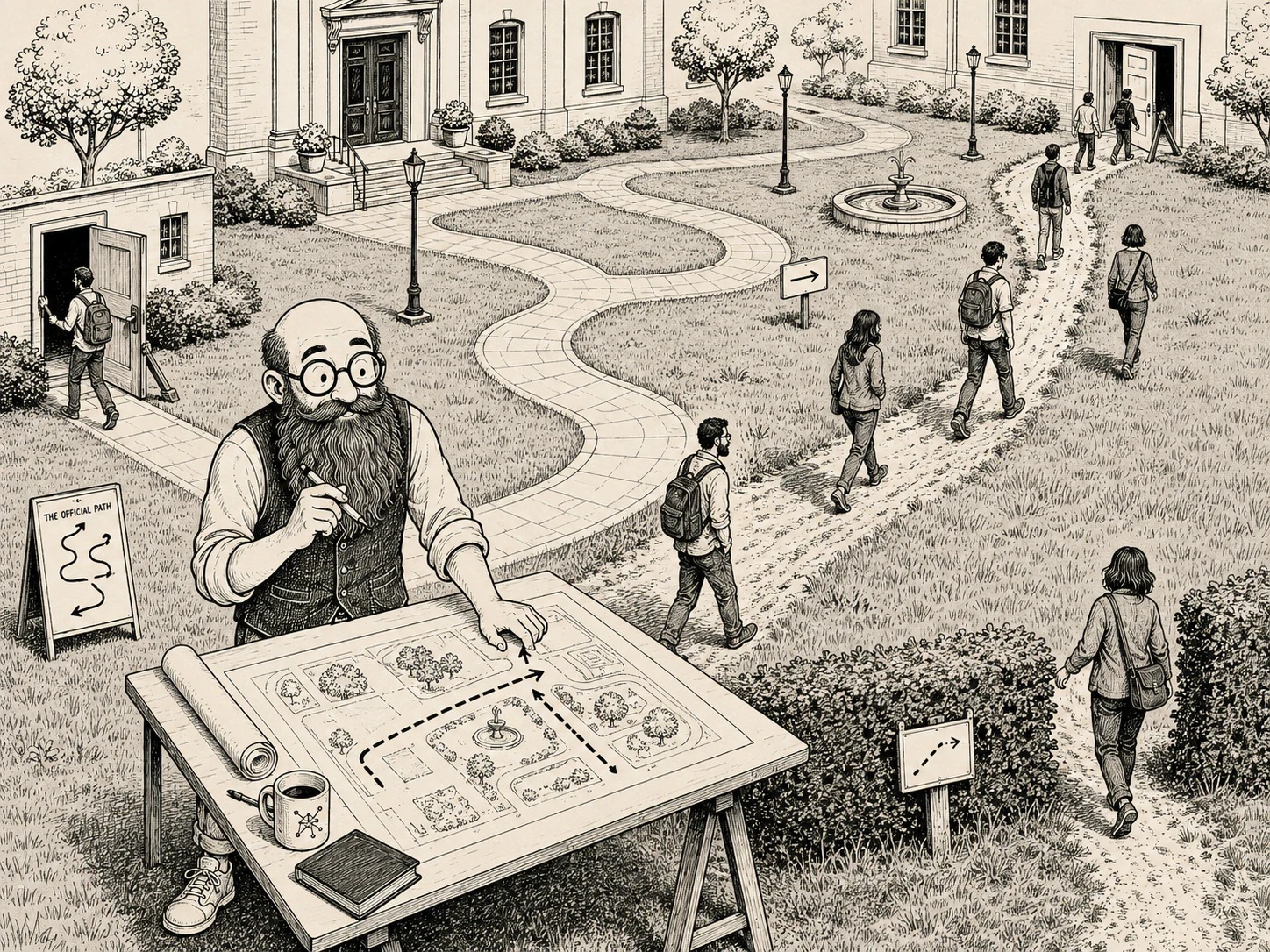
If people must fight a system to do their jobs, it was designed around the wrong priorities. Good architecture begins with real decisions and real work.
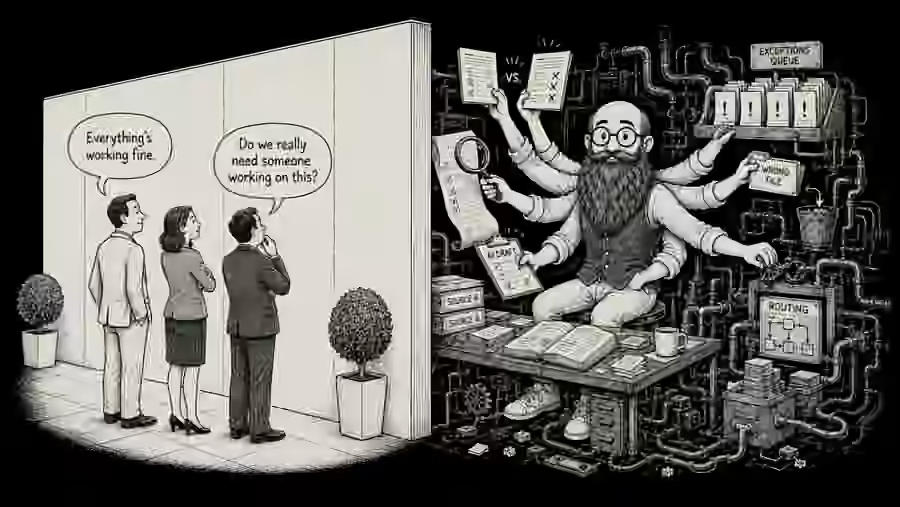
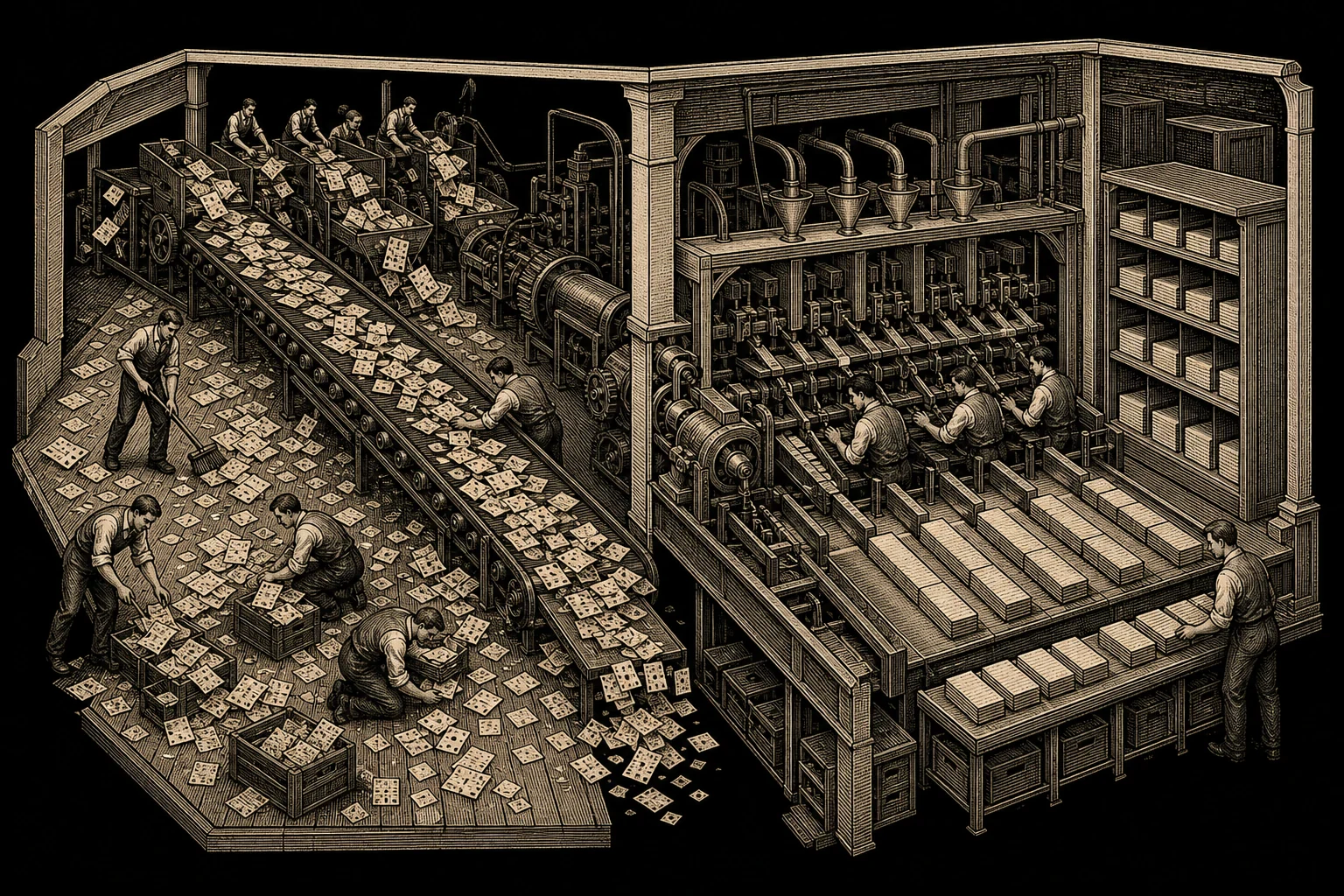
Repeated cleanup often means the process creating the mess never changed. The real problem may be a broken workflow, disconnected tools, or unclear rules.
Many problems blamed on AI begin somewhere else. Bad data, confusing workflows, and overwhelmed people may be the real cause.
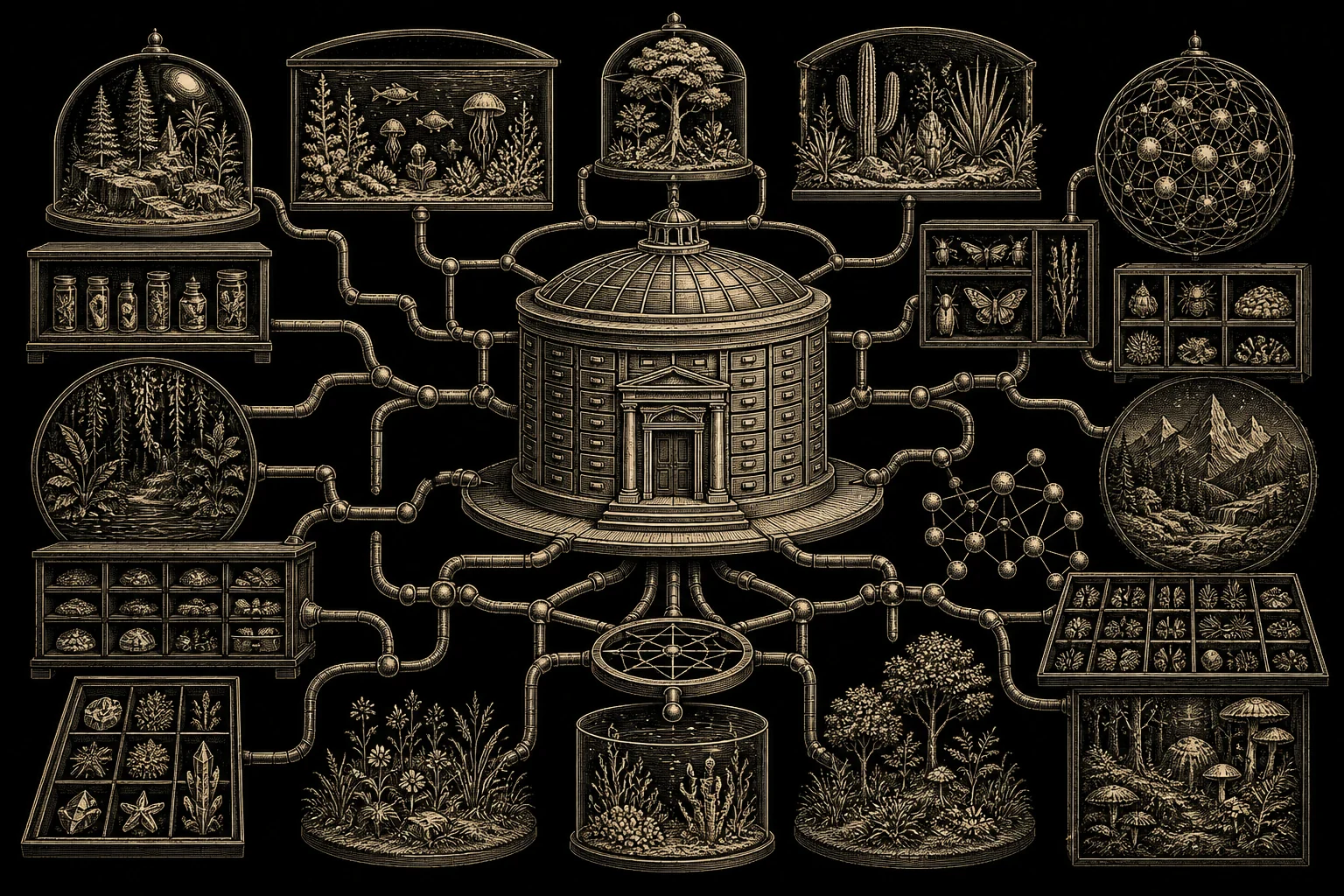
A zoo is organized, but every animal remains different. Good data architecture should do the same: create order without erasing useful differences.
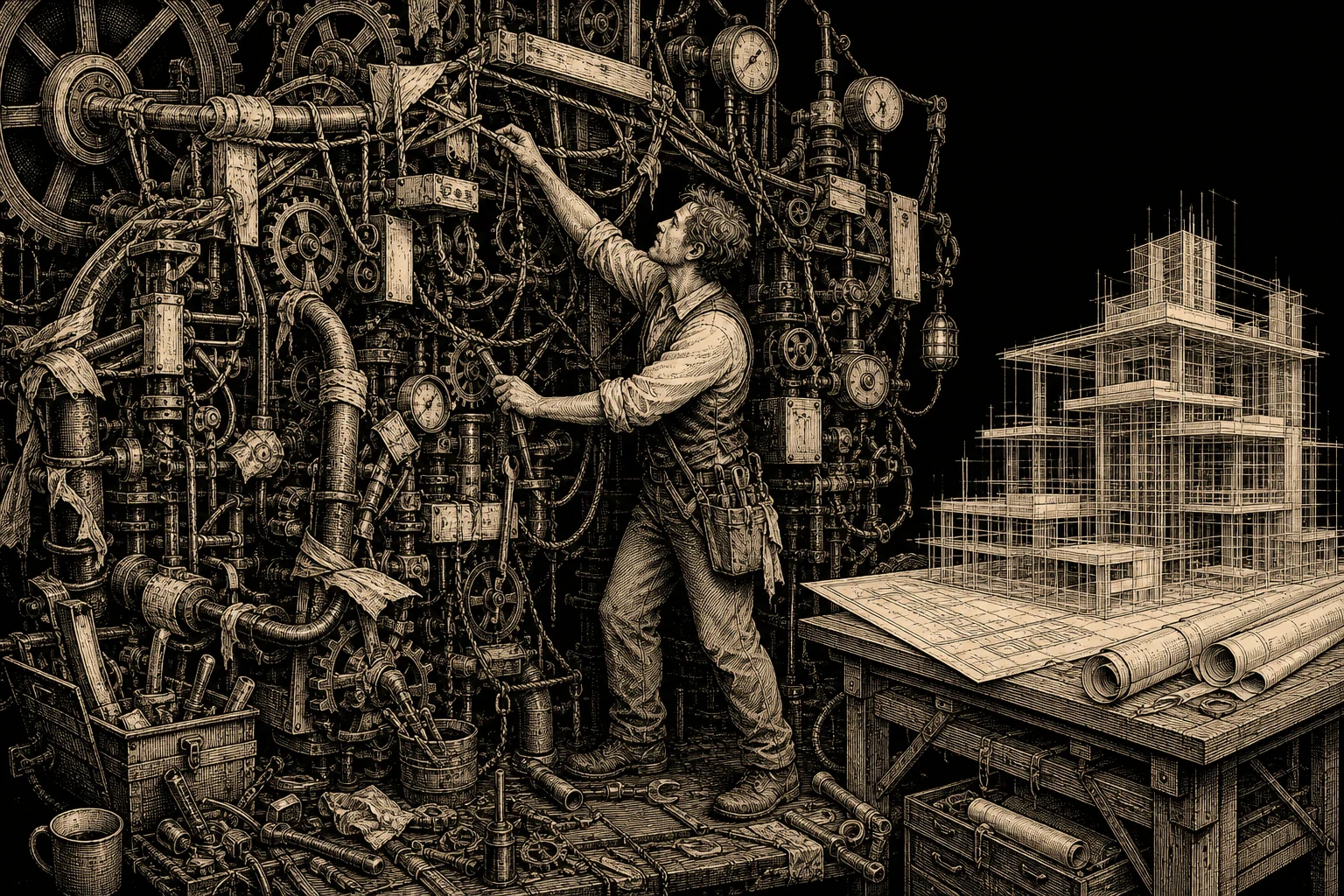
You can become valuable by maintaining a broken system. But the better you get at managing it, the harder it may be to move beyond it.
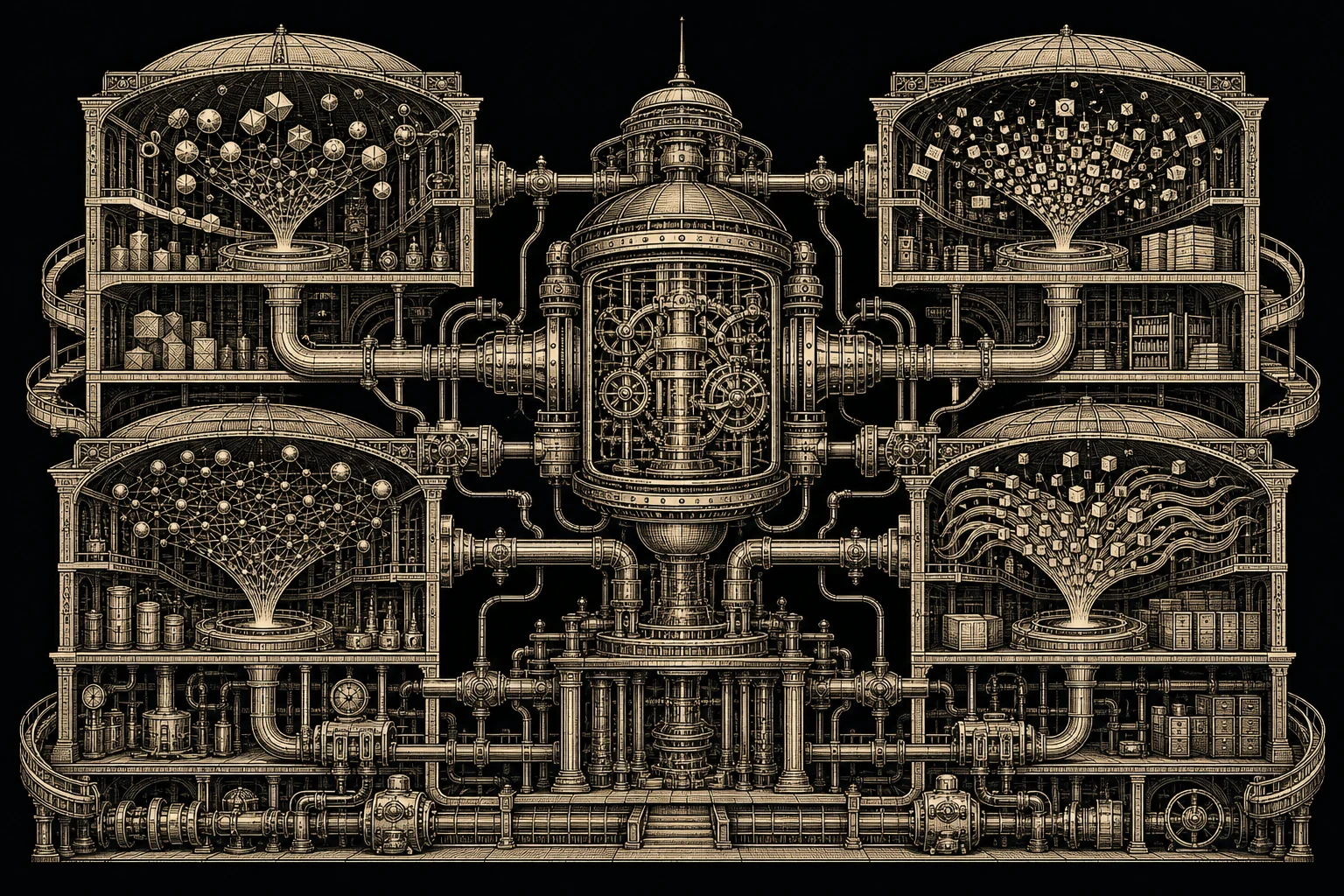
When every connection follows different rules, the whole system becomes hard to understand. A shared set of rules gives each system one clear way to connect.
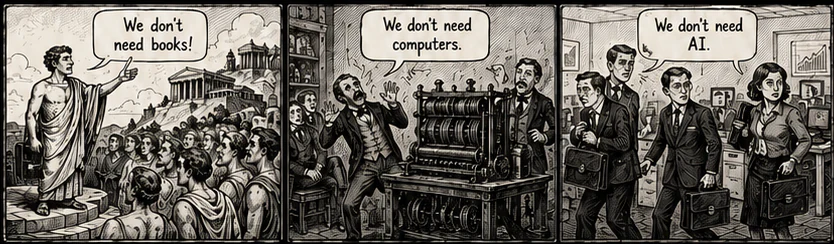
New technology often produces panic or blind excitement. Understanding what AI can and cannot do is the first step toward using it wisely.
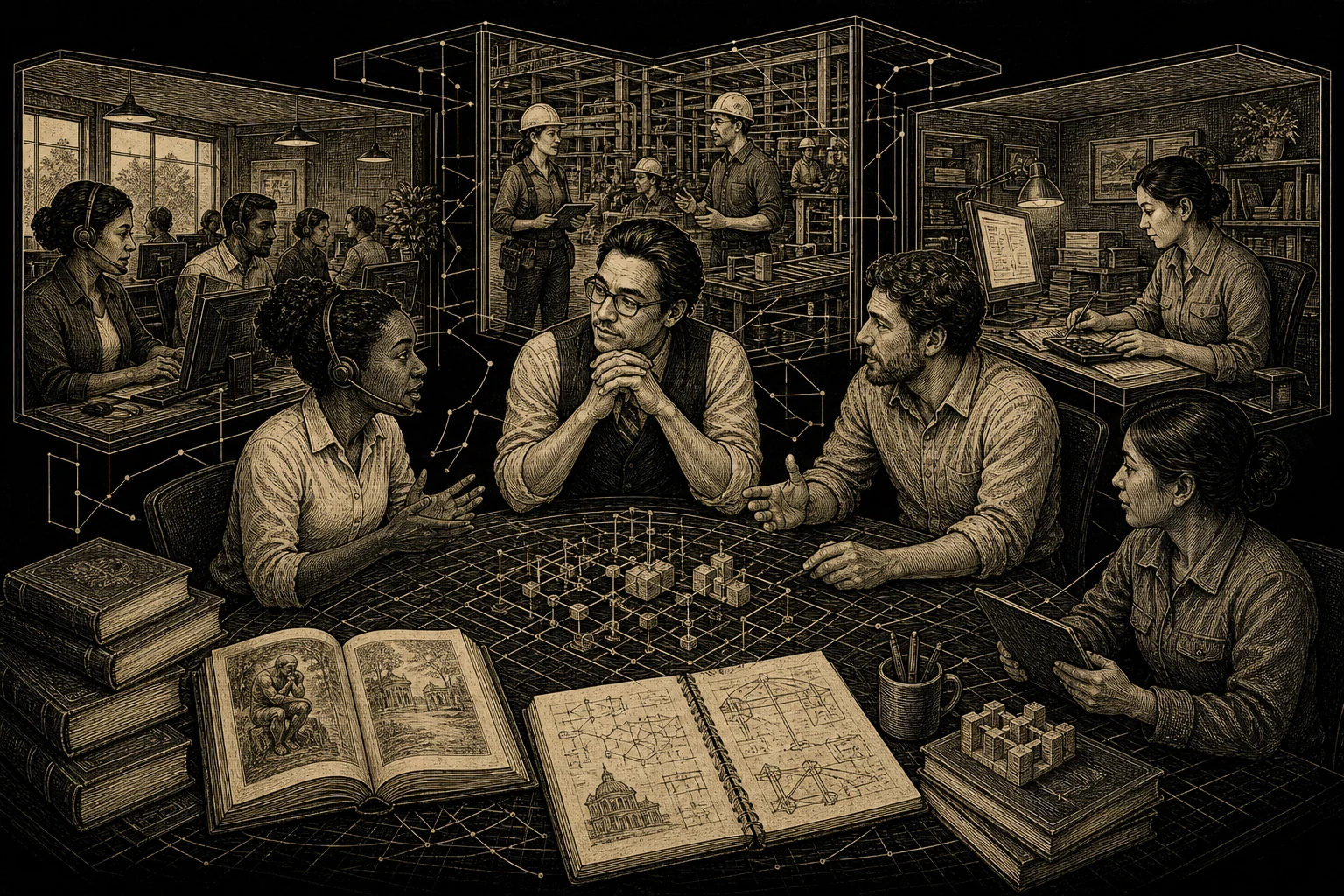
Future architects need more than technical skill. They also need philosophy, empathy, and direct conversations with the people who use the system.
Applied Research
Questions worth testing in the real world.
These themes guide experiments and architecture work. When Nornoet publishes a finding, its status will be stated plainly: established practice, working prototype, active experiment, proposed framework, or speculative research.
Persistent Organizational Intelligence
How useful business context can survive across people, systems, and AI without becoming permanent, ownerless memory.
Governed Adaptive Systems
How AI-supported work can improve through controlled testing while people keep authority over consequential changes.
AI Failure Detection & Containment
How systems can recognize weak evidence, strange behavior, or broken dependencies, then pause, limit harm, and recover safely.