

If Users Are Fighting the System, the System Is Wrong
If people must fight a system to do their jobs, it was designed around the wrong priorities. Good architecture begins with real decisions and real work.
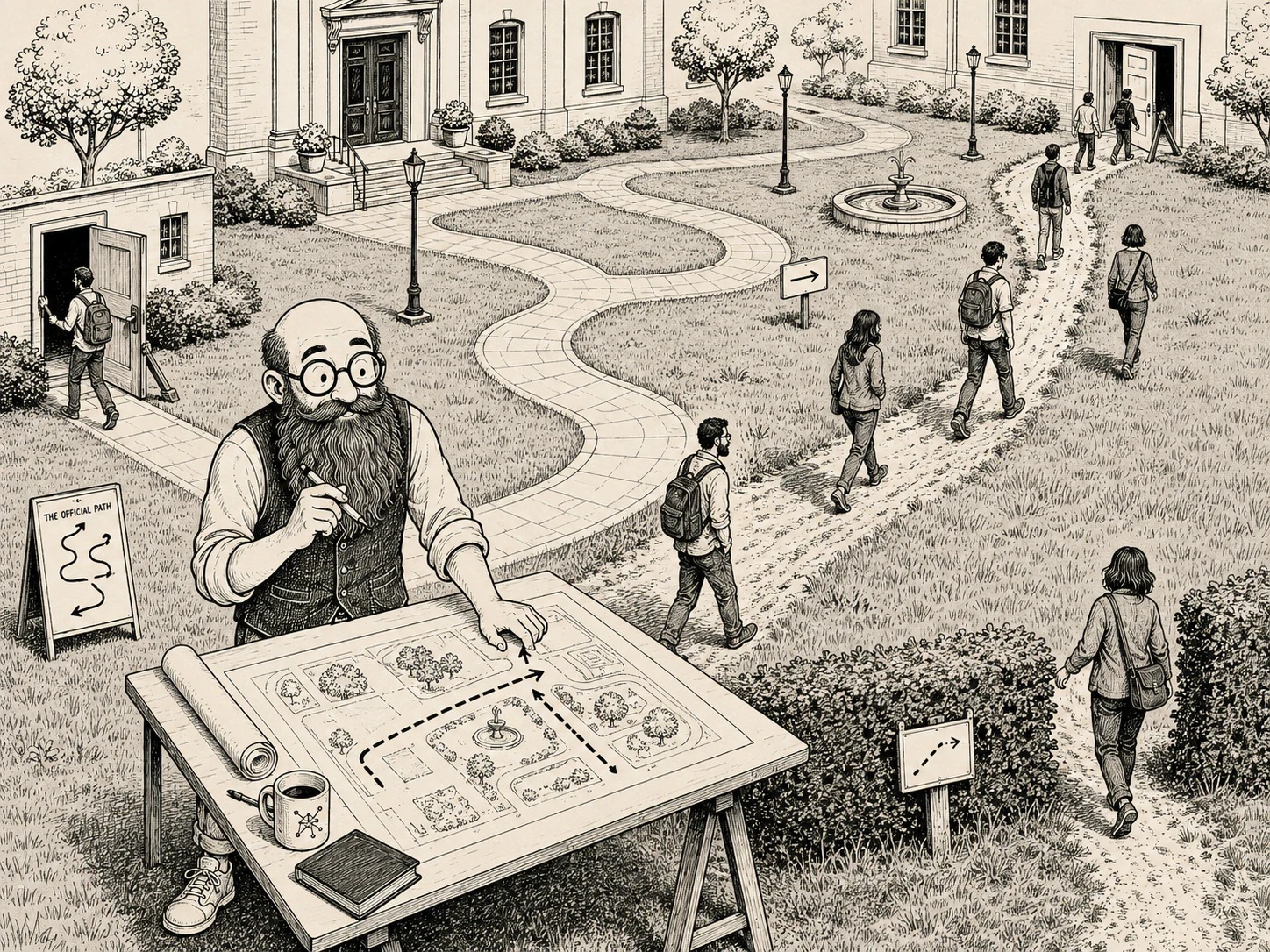
After working on a lot of data migrations and system redesigns, the same pattern keeps showing up.
Many projects begin by asking leadership what they want, building toward that vision, and then wondering why adoption struggles.
Technically, the system works.
The records migrated. The integrations run. The required fields exist. The dashboards load.
But day to day, users fight it.
They maintain separate spreadsheets. They duplicate records. They put information in the wrong fields. They keep private notes explaining what the system was supposed to capture. Eventually, another training session gets scheduled to remind everyone how the process is meant to work.
The problem usually is not the technology.
It is a mismatch between the system's structure and how people actually think about their work.
The System Works. The Work Does Not.
Leadership should define what the organization needs to accomplish. The mistake is treating that perspective as a complete description of how the work happens.
Leadership tends to think in outcomes:
- Improve reporting
- Increase visibility
- Standardize operations
- Reduce risk
- Automate the process
The people performing the work experience something different.
They are making dozens of smaller decisions under time pressure, often with incomplete information. They know which reports cannot be trusted, which fields require interpretation, which exceptions occur every week, and what happens when the right information arrives too late.
Both perspectives matter, but they answer different questions.
Leadership can describe where the organization needs to go.
The people living in the data can explain what must happen along the way.
When the architecture reflects only the destination, users are left to build the missing decision pathways themselves.
That is where the spreadsheets, duplicate records, private notes, and unofficial workflows come from.
Those workarounds are not random. They show you where the formal process stopped matching the real one.
Spend Time With the People Who Live in the Data
Talking to operational users should involve more than gathering requirements.